

Deciding on snap-in dentures in Houston is one thing. Picturing the actual day is another. Most people tell us the not-knowing is the hardest part: how long will it take, will it hurt, what will you look like when you walk out, and what can you eat that night?
So here’s a plain walk-through of the day implants are placed, plus the days that follow. Every mouth is different, and the details of your day depend on your plan, but this gives you a realistic picture.
A quick refresher on how they work
Dr. Pournik stabilizes a denture with four implants per arch. Small attachments let the denture click firmly onto those implants, and you can still take it out to clean it. In many cases your current denture can be adapted, or a new one is made for you.
If you want the full explanation of locator and bar designs, who they suit and how they compare to a fixed option, that’s all laid out on our snap-in dentures page.
Before the day arrives
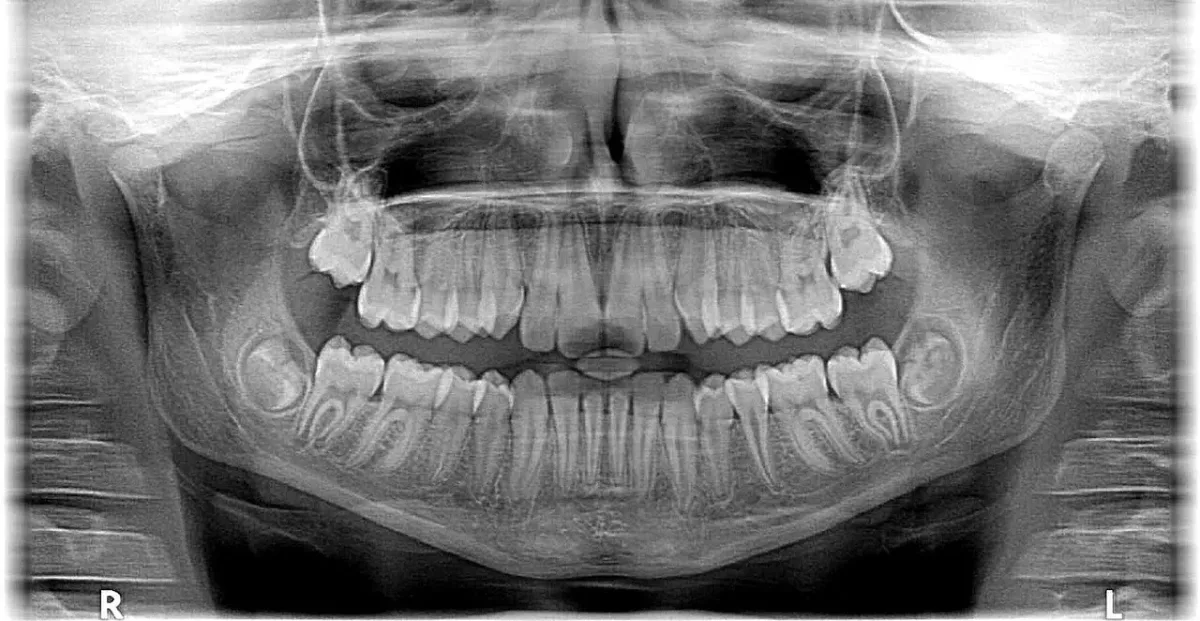
Nothing on implant day is improvised. Before that appointment, your mouth is scanned with our dental CT scanner, which captures a 360 degree view of your jawbone, nerves and sinuses. That 3D view is how implant positions get planned: where the bone is thickest, what angle each implant should sit at, and how the denture will seat on top of them.
That planning happens at an Implant Evaluation & 3D Planning session, which is $249 and credited toward your implant procedure. You’ll see a virtual simulation of where the implants would go and get a clear answer on whether they can be placed now or whether something needs to happen first. If you’re curious about the rest of our imaging and digital scanning tools, you can read about those too.
You’ll be given instructions for the day itself. Follow them closely, especially anything about eating, drinking or medications. If you’re having sedation, arrange for someone to drive you home.
What happens during the appointment
Implant placement is done under local anesthesia. The area is numbed completely before anything begins. Most people feel pressure and some movement, and that’s it. Four implants per arch go in through small openings in the gum, positioned to match the plan built from your 3D scan.
If any teeth need to come out first, or if a graft is part of your plan, that adds time and changes how the day runs. A straightforward placement in a jaw that’s ready for it moves along faster than most people expect.
Once the implants are in, the site is closed up and you’re given time to come around before heading home. You won’t leave with a bare, sunken-looking mouth; what you wear out depends on your plan, and Dr. Pournik will go over that with you beforehand so there are no surprises.
Will you feel anything?
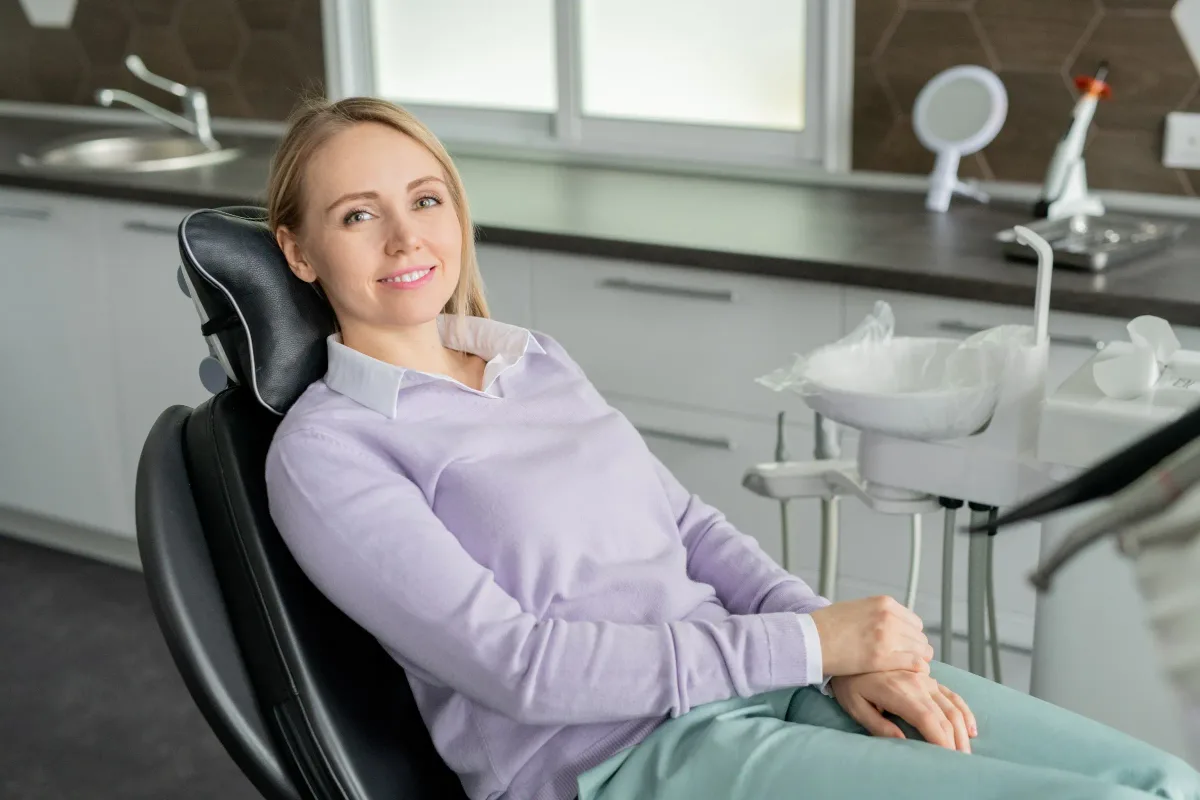
We offer IV sedation for surgical procedures, and the NuCalm drug-free relaxation system for people who’d rather skip medication and still feel calm. With sedation, most patients have little to no memory of the surgery itself. There’s also TV, headphones, beverages and snacks, which sounds small until you’re the one in the chair.
Afterward, once the numbness wears off, soreness is normal. For most people it feels a lot like having a tooth pulled: a dull ache, some puffiness, maybe a little bruising along the jaw. We cover this in more detail in our post on whether getting a dental implant hurts.
The rest of that day
Plan to do nothing. Pick up something soft before your appointment so you’re not standing in a grocery aisle with a numb jaw. Yogurt, smoothies, soup that isn’t hot, scrambled eggs, mashed potatoes. Skip straws, skip anything crunchy and skip alcohol.
Keep your head propped up a bit when you rest. Ice on the outside of the jaw, on and off, helps with swelling. Most people manage discomfort with over-the-counter pain relievers. Follow whatever post-op instructions you’re given, including how and when to rinse.
If you were sedated, the rest of the day belongs to the couch. Don’t drive, don’t make big decisions, don’t try to be useful.
The first few days and weeks

Swelling usually peaks around the two-day mark and then steadily backs off. By day three or four, most people are back to their normal routine. Everyone heals at a different pace, though, and the number of implants placed, whether grafting was done and your general health all play into it.
Implants need time to fuse with the bone. That’s the quiet part of the process, and it’s why there’s a wait between placement and the day your denture is finally fitted to snap on. Keep your follow-up visits, keep the area clean the way you were shown, and avoid tobacco, which works against healing.
Soreness that gets worse instead of better after the first few days is worth a phone call. So is spreading swelling or a fever. Problems are uncommon, but we’d always rather hear from you early.
The day your denture snaps in
This is the appointment people remember. The attachments are fitted, the denture is clicked onto the implants, and your bite is checked and adjusted so it feels even. There’s usually a little back-and-forth here, and that’s normal; small adjustments are how you end up with something that feels right instead of almost right.
You’ll be shown how to take the denture off and put it back on. It takes a few tries. Within a week or two most people are doing it without thinking. You’ll also learn how to clean both the denture and the attachments, since keeping those clean is a big part of how well things hold up.
The difference patients mention first is chewing. Traditional dentures give you roughly 20 percent of natural chewing power. With implant support, that climbs to around 60 percent, which puts a lot of foods back on the table. Most people need little to no adhesive.
Is this the right choice for you?
Snap-in dentures suit most denture wearers, particularly anyone whose lower denture slides around. They can also work for people with significant bone loss who aren’t candidates for a fixed option, because a removable denture puts less stress on the implants.
If you’d rather have teeth that stay in all the time, Same-Day Implant Smiles is the other direction to look at. The 3D planning session is where that question gets answered for your mouth specifically, not in general terms.
Ready to stop fighting with a loose denture? Reach out and we’ll get you in for a look at your options.
